
Master Consistent Branding with Premium Techniques

Consistent branding is crucial for establishing a strong brand identity and building trust with your audience. This blog explores premium framework-based techniques to achieve consistency in your branding efforts, ensuring your brand stands out and remains cohesive across all touch points.
Introduction

Consistent branding involves maintaining uniformity in your brand's messaging, visual elements, and overall presentation across all platforms and interactions. It ensures that your brand is easily recognizable and reliable, creating a seamless experience for your audience.
Consistency Matters in Branding
Consistency in branding builds credibility, fosters loyalty, and differentiates your brand from competitors. It helps in creating a strong brand identity that resonates with your target audience and makes a lasting impression.

Key Metrics to Track

Brand Recognition: Measure through surveys and brand recall tests.
Customer Trust: Assess through customer satisfaction surveys and feedback.
Engagement Rates: Track interactions and engagement on various platforms.
Brand Loyalty: Monitor repeat purchase rates and customer retention.
Market Position: Evaluate your brand’s position relative to competitors.
The Role of a Brand Style Guide
A brand style guide is a comprehensive document that outlines the visual and verbal elements of your brand. It includes guidelines for logo usage, color palette, typography, imagery, and tone of voice.

Key Components of a Brand Style Guide

Logo Usage: Clear instructions on logo placement, size, and variations.
Color Palette: Defined primary and secondary colors with hex codes.
Typography: Specified fonts for different uses.
Imagery: Guidelines for photography and graphics.
Tone of Voice: Consistent language and style for all communications.
Implement the Brand Style Guide Framework
Create a comprehensive brand style guide that outlines the visual and verbal elements of your brand, including logo usage, color palette, typography, and tone of voice.
Ensures all brand materials are cohesive and maintain a consistent look and feel.

Style Guide Adherence: Monitor compliance through regular audits.
Visual Consistency: Assess through content reviews and feedback.
Brand Recall: Measure how well your audience recognizes brand elements.
Design Quality: Evaluate through user feedback and design assessments.
Content Uniformity: Track consistency in all brand communications.
Creating a Unified Messaging Strategy
Consistent messaging ensures that your brand communicates the same core values and messages across all platforms and to all audience segments. It helps in building a coherent brand narrative that resonates with your target audience.

How to Develop a Messaging Matrix
A messaging matrix maps out key messages for different audience segments and communication channels, ensuring that the right message is delivered to the right audience at the right time ,develop a messaging matrix that maps out key messages for different audience segments and communication channels.

Key Metrics to Track

Message Clarity: Measure through surveys and feedback.
Engagement Rates: Track on various communication channels.
Audience Reach: Assess how well your messages reach target segments.
Conversion Rates: Monitor the effectiveness of messaging in driving actions.
Brand Perception: Evaluate how your messaging influences brand perception.
Implementing Integrated Marketing Communications (IMC)
Integrated Marketing Communications (IMC) is a strategic approach to coordinating and integrating all marketing communication tools, avenues, and sources within a company into a seamless program that maximizes the impact on consumers and other end-users at minimal cost.

Benefits of a Coordinated Marketing Approach
IMC ensures that a consistent message is communicated through all marketing channels, enhancing brand coherence and effectiveness. Coordinate and integrate all marketing communication tools, avenues, and sources within a company into a seamless program that maximizes the impact on consumers and other end-users at minimal cost.
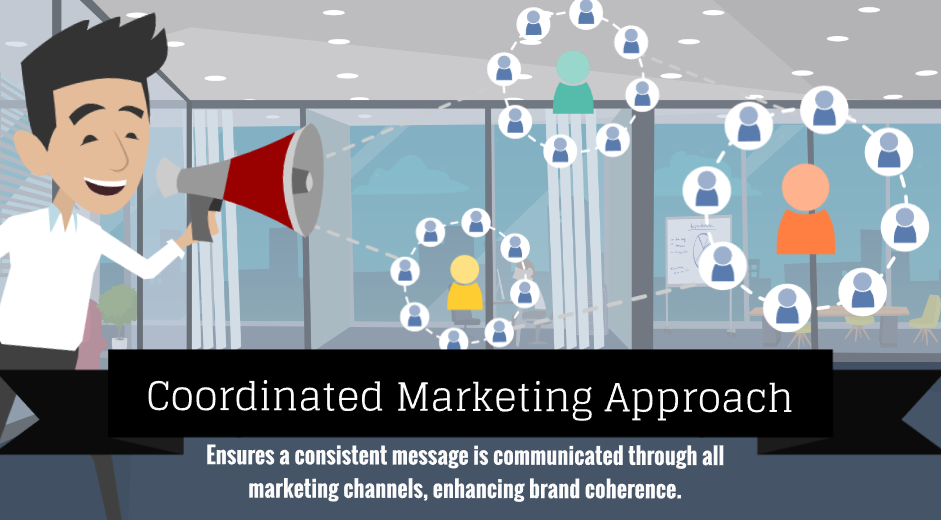
Ensures a consistent message is communicated through all marketing channels, enhancing brand coherence.
Key Metrics to Track

Campaign Reach: Measure the reach of integrated campaigns.
Message Consistency: Evaluate through content audits.
Customer Engagement: Track interactions across different channels.
Conversion Rates: Monitor the effectiveness of campaigns.
Marketing ROI: Assess the return on investment for marketing efforts.
Training Employees as Brand Ambassadors
Employees play a crucial role in representing the brand. When employees understand and embody the brand’s values, mission, and voice, they become effective brand ambassadors.

Steps to Create an Effective Brand Ambassador Program

Define Brand Values: Clearly articulate your brand’s values and mission.
Employee Training: Conduct training sessions to educate employees about the brand.
Consistent Communication: Encourage consistent use of brand voice and messaging.
Recognition and Rewards: Acknowledge and reward employees who exemplify brand values.
Train employees to become brand ambassadors who understand and embody the brand's values, mission, and voice in all interactions. Ensures that all employees consistently represent the brand, strengthening brand identity internally and externally.
Key Metrics to Track

Employee Engagement: Measure through surveys and feedback.
Brand Advocacy: Track employee participation in brand activities.
Customer Feedback: Assess customer perceptions of employee interactions.
Internal Alignment: Monitor alignment with brand values across teams.
Training Effectiveness: Evaluate through post-training assessments.
Conducting Regular Brand Audits
A brand audit is a thorough examination of a brand’s current position in the market compared to its competitors and a review of its effectiveness. It involves analyzing the brand’s strengths, weaknesses, opportunities, and threats.

How to Perform a Brand Audit Using a Checklist

Review Brand Materials: Analyze all branding materials for consistency.
Assess Market Position: Compare your brand’s position with competitors.
Gather Customer Feedback: Collect feedback from customers to identify areas of improvement.
Identify Gaps: Highlight inconsistencies and areas that need alignment.
Implement Changes: Make necessary adjustments to maintain brand consistency.
Conduct regular audits of all brand touchpoints to ensure consistency and identify any deviations from the brand guidelines. Maintains brand integrity and allows for timely corrections to keep branding consistent.
Key Metrics to Track

Audit Frequency: Track how often audits are conducted.
Consistency Score: Evaluate the consistency of branding elements.
Customer Satisfaction: Measure customer perceptions before and after audits.
Brand Compliance: Monitor adherence to brand guidelines.
Improvement Actions: Track the implementation of audit recommendations.
Ensuring Consistent Visual Elements
Visual consistency involves using the same visual elements, such as logos, colors, and typography, across all brand touchpoints. It enhances brand recognition and creates a cohesive brand image.

Techniques to Maintain Visual Consistency

Standardized Templates: Use templates for all marketing materials.
Regular Reviews: Conduct regular reviews of visual elements.
Employee Training: Train employees on the importance of visual consistency.
Centralized Asset Management: Use a Digital Asset Management (DAM) system to store and manage brand assets.
Ensure that all visual elements, such as logos, color schemes, and typography, are used consistently across all media and platforms. Enhances brand recognition and creates a cohesive brand image.
Key Metrics to Track

Design Consistency: Measure through regular content audits.
Brand Recall: Assess through surveys and focus groups.
Customer Feedback: Collect feedback on visual elements.
Brand Recognition: Track brand recognition metrics.
Asset Utilization: Monitor the usage of approved brand assets.
Centralized Content Management
A DAM system helps store, organize, and manage all brand assets and content in a centralized location. It ensures that only approved, up-to-date content is used, maintaining consistency across all platforms.

Benefits of Centralized Content Management
Centralized content management facilitates easy access to brand assets, ensures consistent use of brand elements, and streamlines the content creation process.
Implement a DAM system to store, organize, and manage all brand assets and content in a centralized location. Facilitates easy access to brand assets and ensures that only approved, up-to-date content is used.
Key Metrics to Track

Asset Accessibility: Measure how easily assets can be accessed.
Content Consistency: Track the uniformity of content across platforms.
Usage Rates: Monitor the frequency of asset usage.
Approval Workflow: Assess the efficiency of the content approval process.
Content Updates: Track how often content is reviewed and updated.
Case Studies of Consistent Branding

Coca-Cola: Known for its consistent use of logo, colors, and messaging.
Apple: Maintains a cohesive visual identity and consistent messaging across all platforms.
Lessons Learned from Successful Brands
Consistency in Messaging and Visuals: Ensures brand recognition and trust.
Employee Training: Aligns employees with brand values and messaging.
Regular Audits: Identifies and corrects deviations from brand guidelines.
Key Metrics to Track

Brand Recognition: Measure through surveys and market studies.
Customer Loyalty: Assess repeat purchase rates and customer retention.
Market Share: Monitor brand’s position in the market.
Employee Alignment: Track employee understanding and representation of brand values.
Brand Consistency: Evaluate through regular audits and customer feedback.
Conclusion
Consistent branding is essential for creating a strong brand identity and fostering trust with your audience. It involves maintaining uniformity in messaging, visual elements, and overall brand presentation.
Final Thoughts on Maintaining Brand Consistency
Implementing premium framework-based techniques, such as brand style guides, messaging matrices, and brand audits, helps ensure consistency. Regular training and centralized content management further support cohesive branding efforts.
Consistent branding is an ongoing process that requires attention and regular updates. By applying these techniques and tracking key metrics, you can create a compelling and cohesive brand identity that stands the test of time.


Comments